MALI SHOULD STRENGTHEN ITS ECONOMIC COOPERATION WITH THE BRICS ALLIANCE…
As part of our Echoes of the Sahel section, Adnews24.net has undertaken to regularly shed light on the countries of the AES individually by presenting reports, opinions, investigations, or interviews in order to better inform our readers about current developments in these nations.
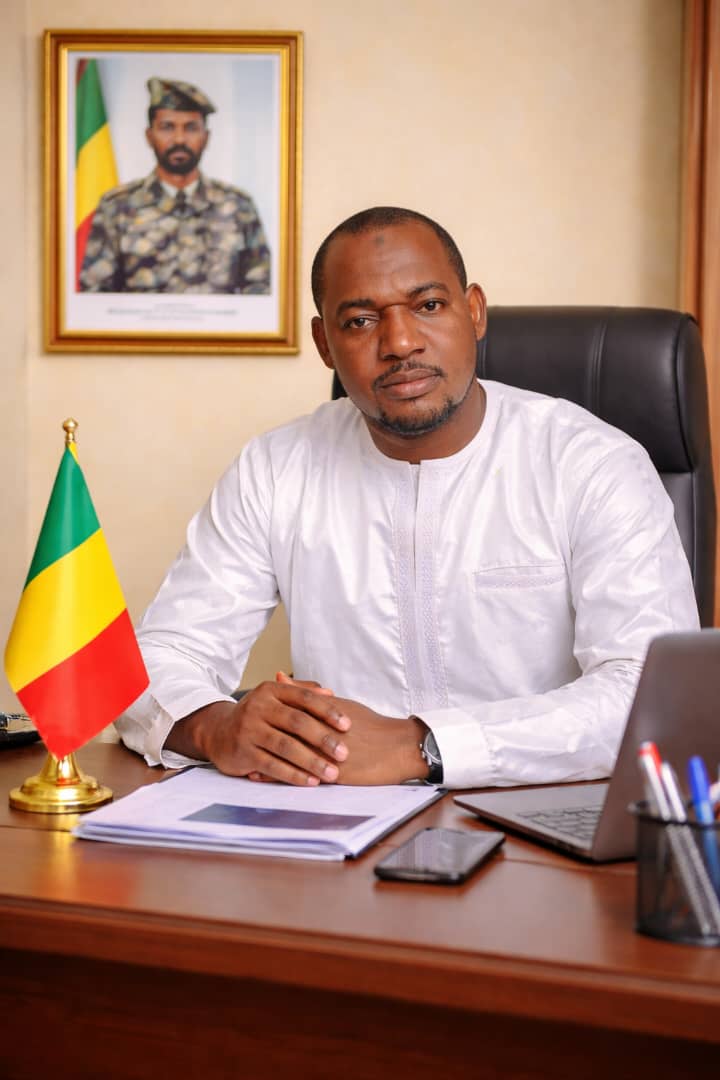
To discuss the reality of Malians since the military came to power under the leadership of General Assimi Goïta, we spoke with Ibrahima Doumbia, a civil and hydraulic engineering expert and business leader. As an active figure in the country’s economic and social life, he agreed to answer our questions.
Following our various questions and observations regarding the rise in power of the Malian army, the stagnation in living standards, as well as the increase in poverty and growing dissatisfaction among youth and both rural and urban populations—without forgetting the discontent among the political class, farmers, SME leaders, and the unemployed, most of whom are facing serious hardship—we present here the objective observations, critical analysis, and relevant proposals of our interlocutor, Ibrahima Doumbia, while awaiting future engagement with government authorities for their responses to these concerns.

Despite this, much remains to be done.
Engineer Ibrahima Doumbia emphasizes the importance of collaboration with BRICS to accelerate Mali’s development.

He adds:

An official invitation from the Malian state to the BRICS West Africa representative would be an important first step to initiate discussions and explore opportunities for collaboration.

Mali could propose collaboration with BRICS in key sectors such as agriculture, energy, and water:
Agriculture: Mali could benefit from BRICS technologies and investments to improve agricultural productivity, develop irrigation systems, and enhance food security.
Energy: BRICS could assist Mali in developing its energy resources, particularly solar and hydroelectric power, to improve access to electricity and reduce dependence on fossil fuels.
Water: Cooperation with BRICS could help Mali improve water resource management, develop drinking water infrastructure, and strengthen resilience to climate change.
These sectors are critical to Mali’s development and could greatly benefit from cooperation with BRICS.
Mali could begin by:
Identifying national needs and priorities in the targeted sectors
Preparing detailed project documents for each sector
Appointing a negotiation team to represent Mali
Establishing a negotiation timeline with BRICS through the International BRICS Alliance
Ibrahima Doumbia, who is also a member of the Management Council of Generation BRICS—a network of pan-Africanists, leaders, and African experts aiming to promote BRICS in Africa—did not stop there. He further proposed concrete steps to initiate the negotiation process:

End of quote.
As we can see, the experience of Sahelian countries shows that despite a shared desire for unity, each country’s external partnerships evolve according to the specific dynamics of its own government.
Security and defense come first, but the fight against poverty cannot be delayed for too long, as the population needs food, healthcare, and housing.
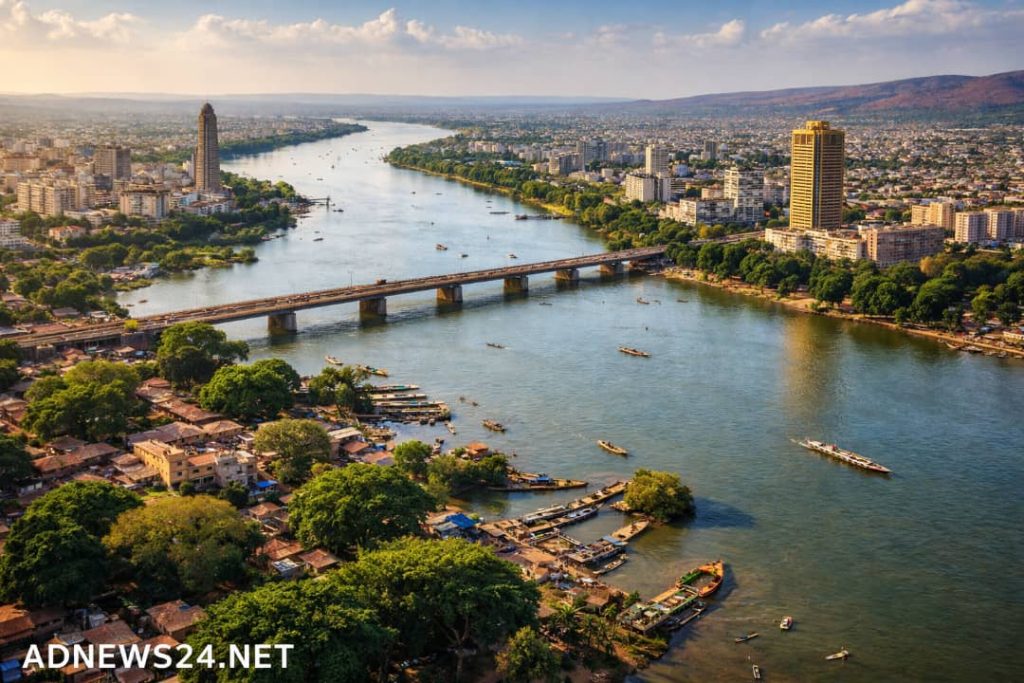
See you soon, Bamako.
By T. Randy Allen
Email: info@adnews24.net
#Africa
#AES
#Mal

Earn up to 40% commission per sale—join our affiliate program now!
https://shorturl.fm/cICXg